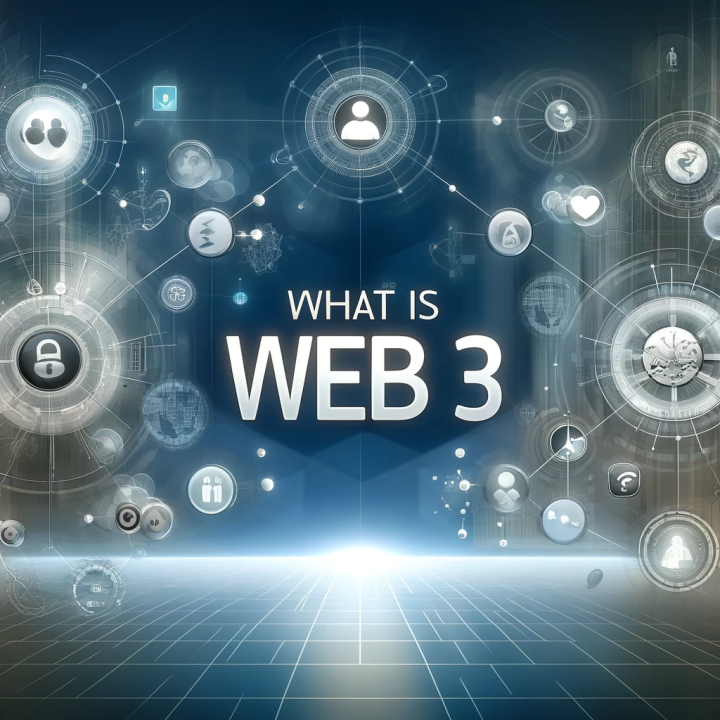
In 2025, the term Web3 is no longer just a buzzword—it has become the backbone of a new, decentralized internet. The vision of Web3 is about shifting control from centralized entities to individuals and communities. This change is transforming industries, from finance and entertainment to gaming and social networking. The decentralized internet promises greater transparency, improved security, and new ways for users to own and monetize their data.
The rise of blockchain, smart contracts, decentralized applications (dApps), and token economies is redefining how people interact online. In this article, we will explore Web3 in action, how it works in 2025, and what it means for the digital future. Along the way, we’ll also touch on practical use cases, such as how platforms across industries—from finance to gaming, including portals like togelslot88 login—integrate with decentralized systems.
From Web2 to Web3: A Paradigm Shift
For decades, the internet was dominated by Web2, where a handful of corporations controlled data, platforms, and user experiences. Social media giants, search engines, and e-commerce monopolies collected massive amounts of personal data, often exploiting it for profit.
Web3, on the other hand, represents a decentralized model. Built on blockchain and peer-to-peer networks, it ensures that no single entity owns or manipulates data. Users gain digital sovereignty, meaning they can decide what to share, how to share it, and even monetize their online presence without intermediaries.
This shift is comparable to moving from rented property to owning a home. In Web2, users “rented” space on centralized platforms, while in Web3, they truly “own” their digital assets, identities, and data.
Core Pillars of Web3 in 2025
To understand Web3 in action, it’s important to look at its foundational pillars:
-
Decentralization
Instead of centralized servers, information is stored across distributed networks. This reduces censorship risks and ensures resilience against data loss or manipulation. -
Blockchain Technology
The blockchain is the backbone of Web3. By offering immutable, transparent, and verifiable records, it eliminates the need for middlemen in transactions and agreements. -
Smart Contracts
These are self-executing contracts coded into the blockchain. In 2025, smart contracts are widely used for automating payments, legal agreements, insurance, and even gaming rewards. -
Tokenization
Assets—from art and music to real estate and in-game items—are tokenized, giving users fractional ownership and the ability to trade them seamlessly. -
Self-Sovereign Identity (SSI)
Web3 allows users to manage their digital identity securely without relying on big corporations. This opens doors to more privacy and control.
Web3 in Finance: The Rise of DeFi
One of the biggest success stories of Web3 is Decentralized Finance (DeFi). In 2025, millions of people use DeFi platforms for lending, borrowing, staking, and earning interest without relying on banks.
These systems are governed by protocols, not corporations, and they operate 24/7 globally. Stablecoins have become the preferred digital currency for everyday transactions, while cross-border payments are faster, cheaper, and transparent.
Web3 also brings financial access to unbanked populations worldwide. By simply using a crypto wallet, users can enter the global economy, bypassing traditional banking barriers.
Web3 in Gaming: Ownership and Play-to-Earn
The gaming industry has been completely reimagined by Web3. In the past, players spent hours collecting in-game items that had no value outside the game environment. In 2025, thanks to blockchain and NFTs, players own their digital assets and can sell, trade, or even use them across multiple games.
This play-to-earn model is not limited to just entertainment; it’s also becoming a livelihood for many. Platforms like togelslot88 login illustrate how users engage with gaming ecosystems that integrate decentralized rewards, fair play systems, and verifiable records.
The decentralized approach ensures fairness, as outcomes are recorded transparently on blockchain ledgers, removing the risk of manipulation often seen in traditional gaming models.
Web3 in Social Media: Data Ownership and Authenticity
Social networking in Web3 has shifted away from surveillance capitalism. Instead of corporations selling user data, individuals control and even monetize their own information. In 2025, decentralized platforms allow users to earn tokens by sharing content, engaging in discussions, or curating communities.
Fake accounts and bots are harder to sustain because identity systems are tied to blockchain verification. This has improved trust and authenticity across online communities.
Web3 and the Creator Economy
For creators, Web3 has unlocked new revenue streams. Musicians, artists, writers, and developers can sell their works directly to fans as NFTs, bypassing record labels or publishers. Smart contracts ensure royalties are paid automatically every time their work is resold.
This model not only empowers creators but also strengthens the bond between creators and their audiences. Fans gain unique ownership experiences, while creators retain fair compensation.
Challenges Facing Web3 in 2025
While Web3 is thriving, it’s not without challenges:
-
Scalability: Handling billions of transactions without network congestion is still a technical hurdle.
-
Regulation: Governments worldwide are still working to define clear policies around digital assets, DeFi, and tokenized economies.
-
User Experience: For non-technical users, Web3 platforms can be intimidating. However, many developers are working on simplifying onboarding processes, making platforms as easy as logging into a Web2 site like togelslot88 login.
-
Security Risks: Although blockchain is secure, phishing, scams, and vulnerabilities in poorly coded smart contracts remain concerns.
The Future of the Decentralized Internet
Looking ahead, the decentralized internet of 2025 is just the beginning. As technology evolves, integration with artificial intelligence, metaverse experiences, and cross-chain interoperability will make Web3 even more powerful.
By 2030, experts predict that a majority of global digital transactions, entertainment, and even government services will run on Web3 frameworks. This will create a more transparent, inclusive, and equitable internet for all.
The decentralized internet of 2025 is proof that Web3 in action is more than just hype—it’s a revolution in how we connect, create, and collaborate online. From finance and gaming to social media and the creator economy, Web3 empowers individuals while reducing reliance on centralized authorities.
While challenges remain, the momentum is undeniable. The Web3 ecosystem is evolving rapidly, offering new opportunities for users, developers, and communities. As platforms like togelslot88 login show, integration of decentralized models is not confined to finance or art—it spans across entertainment, gaming, and beyond.
The decentralized internet is no longer a vision of the future—it is the reality of today. In 2025, Web3 stands as a testament to innovation, freedom, and digital empowerment.
Read Also: GET Indonesia Aplikasi Transportasi Lokal untuk Mobilitas Tanpa Batas